
 EN
EN
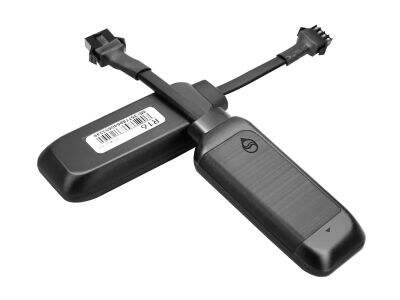
GPS tracking gear is a strong tool that helps businesses handle their vehicle fleets better. Many companies, like Canmore, use this technology to keep watch over cars and trucks. With GPS, they can see where each vehicle is at all times. This helps save time, money, and energy. For example, if a driver takes a longer route, the company can quickly find out and make adjustments. GPS also helps during emergencies, such as vehicle breakdowns. It allows companies to send assistance without delay, keeping operations running smoothly. Overall, gps tracking unit is a key part of modern fleet management, making it easier to operate efficiently.
What Are the Key Benefits of GPS Tracking for Wholesale Fleet Operators?
GPS tracking provides many benefits for wholesale fleet operators. First, it improves route planning. When GPS shows the real-time location of vehicles, operators can identify the fastest routes. Drivers can then avoid traffic and reach destinations more quickly. For example, if a truck gets stuck in traffic, the operator can reroute it to a less congested road. This saves time and reduces fuel costs, which is vital for improving business profitability.
Another major benefit is better communication. With GPS, fleet managers can communicate with drivers more easily. They can send messages about route changes or delivery updates. This keeps everyone informed and helps avoid misunderstandings. If a driver is delayed, they can notify the manager quickly, who can then inform the customer. This helps maintain high customer satisfaction.
Safety is another important advantage. GPS systems can monitor driver behavior. If a driver is speeding or making hard stops, the system can alert the manager. Companies can address unsafe driving habits before accidents occur. The gps tracking system can also help lower insurance costs because safer driving often results in lower premiums.
Finally, GPS tracking supports vehicle maintenance. The system can track mileage and send alerts when a vehicle needs servicing. This helps prevent breakdowns and extends vehicle life. Regular maintenance can save money in the long run by reducing major repair costs. GPS tracking is truly a game changer for operators looking to improve efficiency and safety.
What Wholesale Buyers Need to Know About GPS Tracking Technology?
Wholesale buyers should understand a few key points about GPS tracking technology. First, it is important to choose the right system. There are many GPS options available, and they vary in features and pricing. Buyers should select a solution that fits their needs. Some systems include geofencing, which sends alerts if a vehicle leaves a designated area, while others provide only basic tracking. Understanding which features matter most can help buyers make the right choice.
Cost is another important factor. While GPS tracking can save money over time, it requires an initial investment. Buyers should compare costs against the potential benefits. Consider how much time, fuel, and operational expenses the system could save in the future. Sometimes a more expensive solution can provide greater long-term value.
Training is also essential. After purchasing a GPS system, staff should learn how to use it effectively. This includes reading reports, using the software, and responding to alerts. Investing in training can make a significant difference in how successfully the system is used. When employees understand the technology, they can maximize its benefits.
Finally, security is critical. GPS systems collect sensitive data, so buyers should choose providers with strong security measures. Make sure the system is protected against hacking and data breaches. By considering these factors, buyers can make informed decisions for their fleets.
How to Leverage GPS Tracking Data for Better Fleet Decisions?
Using GPS tracking data can greatly help businesses that manage vehicles such as trucks and vans. With Canmore GPS gear, managers can see the exact location of each vehicle at all times. This information helps them make better decisions. For example, if a truck is caught in traffic, the manager can reroute it or send another vehicle. This helps ensure deliveries arrive on time and keeps customers satisfied.
GPS data also shows how much time vehicles spend on the road and how much fuel they use. Managers can analyze this information to find more efficient routes. If certain routes consume more fuel, they can be adjusted to reduce costs. Saving fuel not only helps the business financially but is also better for the environment.
Another valuable feature is the ability to monitor driver behavior. Managers can identify speeding, harsh braking, or other risky habits. If a driver consistently drives too fast, managers can provide coaching and safety guidance. This helps reduce accidents and keeps vehicles in better condition. Overall, GPS data allows fleets to operate more efficiently and effectively.
What to Expect When Implementing GPS Tracking Gear in a Fleet?
When a company introduces GPS tracking, there may be some concerns at first. However, Canmore systems are often easier to use than expected. The first step is installing the tracking device in each vehicle. The process is usually quick, and professional support can help ensure everything is set up correctly. Once installation is complete, the benefits begin immediately.
The system operates through software that allows companies to see vehicle locations at any time. The platform often includes maps, reports, and alerts that make fleet management easier to understand and control.
At first, it may take some time for drivers and managers to become comfortable with the system. Drivers need to understand how the technology works, while managers need to learn how to interpret the data. With regular use, most people find the system highly beneficial. Tracking deliveries, monitoring performance, and making better decisions become much easier.
It is also important to gain support from everyone involved. Training sessions can help drivers and staff feel comfortable using the technology. When employees understand how small gps tracking device benefits the company, they are more likely to use it effectively.
Where GPS Tracking Helps Optimize Routes and Cut Delivery Time?
One of the biggest advantages of GPS tracking is its ability to improve route planning for deliveries. Canmore GPS gear provides real-time traffic and road condition information. When drivers encounter delays, companies can quickly adjust routes.
For example, if a driver is heading to a delivery location and traffic congestion develops ahead, the GPS system can suggest an alternative route. This helps avoid delays and ensures deliveries arrive faster. Companies can reduce wasted time in traffic and improve customer satisfaction by maintaining reliable delivery schedules.
GPS data can also be analyzed to identify route patterns. Businesses may notice that certain roads become congested at specific times of day. With this information, they can create smarter schedules and avoid busy areas whenever possible.
In addition, GPS tracking improves fuel efficiency. Shorter and more efficient routes reduce fuel consumption. This lowers operating costs and helps reduce carbon emissions. As environmental awareness continues to grow, this becomes an important advantage for many businesses.
Canmore GPS tracking gear is a powerful solution for fleet operators. It helps optimize routes, reduce delivery times, save money, and improve operational efficiency. By using GPS tracking effectively, companies can keep customers satisfied while running a more efficient fleet.
Table of Contents
- What Are the Key Benefits of GPS Tracking for Wholesale Fleet Operators?
- What Wholesale Buyers Need to Know About GPS Tracking Technology?
- How to Leverage GPS Tracking Data for Better Fleet Decisions?
- What to Expect When Implementing GPS Tracking Gear in a Fleet?
- Where GPS Tracking Helps Optimize Routes and Cut Delivery Time?