
 EN
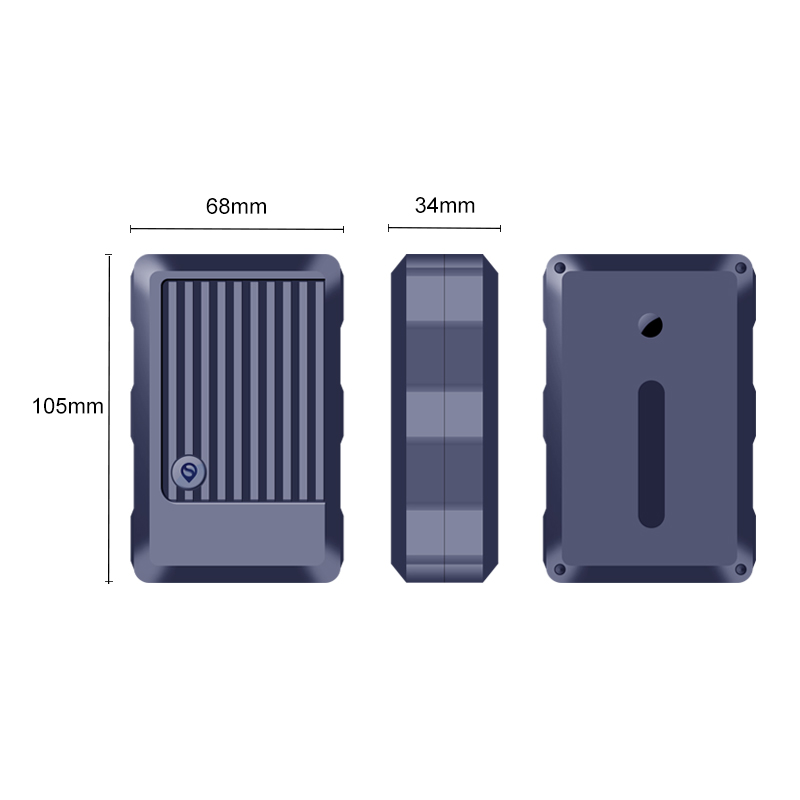
Portable GPS locators are essential devices used to determine the location of individuals or assets in real-time, particularly during emergencies. These devices leverage advanced technology to provide accurate location data, which can be critical for rescue operations, asset recovery, and safety management. For B2B buyers, the main concerns typically include reliability, accuracy, cost-effectiveness, and ease of installation. This article aims to help purchasing managers and other decision-makers understand the key factors to consider when selecting portable GPS locators for emergencies
Where to Source Reliable Portable GPS Locators for Your Projects
When sourcing portable gps locator, it's crucial to identify reputable manufacturers or suppliers that specialize in this technology. Look for companies with a proven track record in the development and production of GPS devices. Key factors to consider include the manufacturer's experience in the field, their certifications, and their commitment to quality control processes
Engaging with manufacturers like CANMORE Technology, which develops dynamic IoT solutions powered by 5G and AI, ensures access to cutting-edge technology and expertise. Additionally, consider suppliers that offer customization capabilities to meet specific project requirements. Always request product samples to verify quality and compatibility with your intended applications
Comparing Cost Factors of Different Portable GPS Locator Models
The cost of portable bicycle gps locator can vary significantly based on features, specifications, and manufacturing processes. Key factors influencing pricing include:
Technology Integration: Models incorporating advanced technologies such as 5G connectivity or AI analytics may have higher upfront costs but offer enhanced capabilities and efficiencies in the long run
Durability and Build Quality: Devices designed for rugged environments may use higher-quality materials, impacting their price. Assessing the expected operating conditions can help determine the necessary level of durability
Volume Discounts: Many manufacturers offer tiered pricing based on order volume. Understanding your projected needs can help negotiate better pricing structures
Maintenance and Support: Consider the total cost of ownership, which includes maintenance, software updates, and customer support. A slightly higher initial investment may lead to lower long-term costs
When comparing different models, it’s essential to evaluate these factors alongside your specific application requirements to ensure you’re making a cost-effective decision
Installation Guidance for Efficient Use of GPS Locators
Proper installation is vital for the effective operation of portable gps locator. Here are some key points to consider:
Location Selection: Choose installation locations that maximize signal reception. Avoid areas with obstructions like buildings or dense foliage that could interfere with satellite communication
Power Supply: Ensure that the GPS locators are equipped with reliable power sources, whether they are battery-operated or require a direct power supply. Battery life should be adequate for your operational needs
User Training: Provide comprehensive training for users to ensure they understand how to operate the devices effectively. This includes familiarizing them with features such as emergency alerts and data sharing capabilities
Testing: Conduct thorough testing post-installation to confirm that each locator is functioning correctly. This step can help identify potential issues before they become critical during an emergency
By following these guidelines, you can enhance the reliability and effectiveness of your GPS locators in emergencies
Common Problems with GPS Locators and Effective Solutions
While portable GPS locators are generally reliable, they can encounter issues. Here are common problems and their solutions:
Signal Loss: GPS locators may lose signal in urban canyons or dense forests. To mitigate this, ensure devices are equipped with advanced signal processing capabilities and consider using locators with dual-band frequency support
Battery Drain: High-frequency tracking can quickly deplete battery life. Opt for models with energy-efficient designs or features that allow users to adjust tracking frequency based on their specific needs
Data Inaccuracy: Inaccurate location data can result from poor signal or device malfunction. Regularly calibrate devices and perform maintenance checks to ensure optimal performance
User Errors: Incorrect usage can lead to operational failures. Providing thorough training and clear operating instructions can reduce the incidence of user-related issues
By proactively addressing these common problems, businesses can maintain the effectiveness of their GPS locators in emergencies
Applications of Portable GPS Locators in Various Industries
Portable GPS locators have diverse applications across multiple industries, enhancing safety and efficiency. Here are some notable uses:
Emergency Services: First responders utilize GPS locators to track personnel and assets during emergencies, ensuring rapid response and effective resource allocation
Logistics and Supply Chain: Companies in logistics employ GPS locators to monitor vehicle locations and shipments, improving route optimization and reducing delays
Construction and Mining: In heavy industries, GPS locators help track equipment and personnel, enhancing safety protocols and reducing the risk of accidents
Healthcare: Medical facilities use GPS tracking for patient monitoring and asset management, ensuring critical equipment is always accessible
Event Management: Organizers of large events use portable GPS locators to monitor crowd movement and enhance security measures
Understanding these applications can assist buyers in selecting the right GPS locator for their specific industry needs, ensuring better integration and utilization in their operations.
Table of Contents
- Where to Source Reliable Portable GPS Locators for Your Projects
- Comparing Cost Factors of Different Portable GPS Locator Models
- Installation Guidance for Efficient Use of GPS Locators
- Common Problems with GPS Locators and Effective Solutions
- Applications of Portable GPS Locators in Various Industries