
 EN
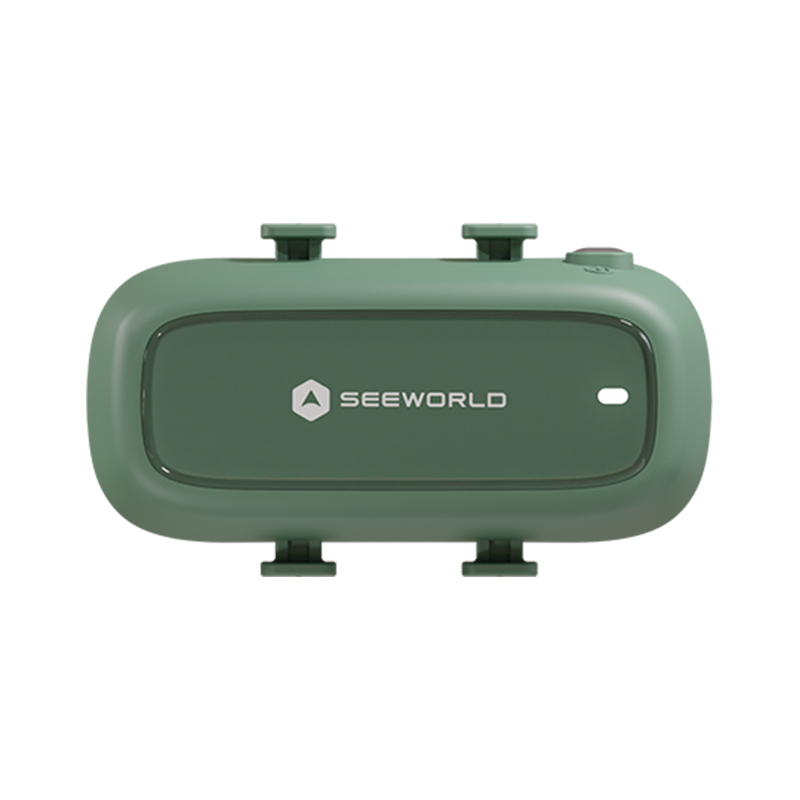
In the fast-paced world of pet care, having a reliable gps locator device is essential for ensuring quick emergency responses. This technology not only provides peace of mind to pet owners but also serves as a critical tool for businesses in the pet industry. Understanding how a pet locator device supports fast emergency response is vital for purchasing managers, distributors, and engineers looking to improve their product offerings. This article will explore key specifications, quality evaluation, cost factors, installation guidance, and common issues with pet locator devices, enabling buyers to make informed purchasing decisions
Key Specifications to Consider in Pet Locator Devices
When evaluating gps tracking unit devices, several key specifications should be prioritized to ensure optimal performance. The primary considerations include:
GPS Accuracy: A device's ability to provide precise location tracking is paramount. Look for devices with high-accuracy GPS capabilities that can operate effectively in various environments, such as urban areas with tall buildings or rural locations
Battery Life: Long-lasting battery life is essential for reliable tracking. Devices that offer extended battery performance can reduce the frequency of recharging, ensuring the locator remains operational during critical situations
Connectivity: Ensure that the device supports various connectivity options, such as 5G, Wi-Fi, or Bluetooth. This flexibility allows for better real-time data transmission and enhances the overall functionality of the locator
Durability: Pet locator devices should be built to withstand rugged conditions, including water resistance and impact resistance. The material and construction quality will directly affect the device's longevity and reliability
User Interface: An intuitive user interface is crucial for quick access to location data. Buyers should evaluate the ease of use of the accompanying app or software, ensuring it provides straightforward navigation and alerts
By focusing on these specifications, buyers can select devices that not only meet the immediate needs of pet tracking but also support long-term usage and reliability
Evaluating the Quality of Pet Locator Devices for Wholesale Buyers
Wholesale buyers must adopt a comprehensive approach when evaluating the quality of pet locator devices. Here are key factors to consider during the assessment:
Material Quality: Investigate the materials used in the device's construction. High-quality plastics or metals can enhance durability, while substandard materials may lead to premature failure
Manufacturing Processes: Buyers should inquire about the manufacturing processes employed by the supplier. Understanding whether the devices are produced under stringent quality control standards can help assess their reliability
Certifications and Compliance: Check for relevant certifications such as CE, FCC, or RoHS compliance. These certifications indicate that the devices meet established safety and environmental standards
Sample Testing: Always request samples before placing large orders. Testing samples in real-world conditions can provide insights into performance, battery life, and connectivity, ensuring that they meet the expectations of end-users
Customer Reviews and Feedback: Research customer reviews and feedback on the devices. Insights from users can highlight potential issues and strengths not immediately apparent from specifications alone
By thoroughly evaluating these aspects, wholesale buyers can confidently select high-quality pet locator devices that meet customer expectations and operational needs
Cost Factors to Consider When Sourcing Pet Locator Devices
Understanding the cost factors associated with sourcing pet locator devices is critical for budget-conscious buyers. Key elements that can impact pricing include:
Material Costs: The choice of materials significantly influences the overall production cost. Higher-quality materials may result in higher initial prices, but they often provide better durability and performance
Technology Integration: Devices equipped with advanced features such as AI capabilities for predictive analytics or enhanced GPS functionality may carry a higher price tag. Buyers should assess whether these features justify the cost based on their target market's needs
Order Volume: Bulk purchasing often leads to discounted pricing. Buyers should explore minimum order quantities (MOQ) and negotiate terms that can reduce per-unit costs
Shipping and Logistics: Consider the shipping costs associated with importing devices. Depending on the supplier's location, these costs can vary significantly and should be factored into the total cost analysis
Warranty and Support: Evaluate the warranty terms and customer support offered by the manufacturer. A robust support system may come at an additional cost but can save money in the long run by reducing returns and replacements
By analyzing these cost factors, buyers can make informed decisions that align with their budget constraints and product quality requirements
Installation Guidance for Optimal Use of Pet Locator Devices
Proper installation of automobile tracker devices is essential for maximizing their effectiveness. Here are some key installation tips to ensure optimal use:
Follow Manufacturer Guidelines: Always adhere to the installation instructions provided by the manufacturer. These guidelines are designed to optimize device performance and ensure proper functionality
Location Selection: Positioning the device correctly on the pet is crucial. Ensure it is secure and comfortably fitted, allowing for maximum exposure to GPS signals. Avoid areas that may obstruct signal reception
Software Setup: Ensure that the device's software is properly configured. This includes syncing with the mobile app, setting up alerts, and configuring location tracking settings. Testing the software setup before full deployment can prevent issues later on
Regular Maintenance Checks: Schedule periodic checks to ensure the device is functioning correctly. This can include confirming battery levels, checking for software updates, and ensuring that the device remains securely attached to the pet
By following these installation guidelines, users can enhance the effectiveness of pet locator devices and ensure they deliver reliable tracking services
Common Problems with Pet Locator Devices and Their Solutions
Despite their benefits, pet locator devices can encounter common issues. Being proactive about these problems can enhance user experience. Here are some typical challenges and solutions:
Poor GPS Signal: If the device frequently loses GPS signal, it may be due to poor positioning or obstructions. Ensure that the device is placed correctly and free from interference. If issues persist, consider devices with stronger GPS capabilities
Short Battery Life: Users may experience rapid battery drain, often from excessive use of connectivity features. Encourage users to adjust settings such as frequency of location updates or switch to power-saving modes when not in active use
Connectivity Issues: Problems with connectivity can arise from compatibility issues with mobile devices or weak signal areas. Buyers should ensure that the devices are tested for compatibility with various networks and consider offering devices that support multiple connectivity options
Device Malfunctions: In the event of malfunctions, establish a clear warranty and replacement policy. Educating customers about proper usage and care can minimize instances of device failure
User Error: Often, issues arise due to user misunderstanding or misconfiguration of the device. Providing comprehensive user manuals and customer support can help users troubleshoot and resolve common problems quickly
By addressing these common problems and implementing effective solutions, suppliers can enhance customer satisfaction and ensure a smooth user experience with pet locator devices.
Table of Contents
- Key Specifications to Consider in Pet Locator Devices
- Evaluating the Quality of Pet Locator Devices for Wholesale Buyers
- Cost Factors to Consider When Sourcing Pet Locator Devices
- Installation Guidance for Optimal Use of Pet Locator Devices
- Common Problems with Pet Locator Devices and Their Solutions