
 EN

GPS tracking equipment for vehicles plays a crucial role in enhancing operational efficiency, safety, and productivity across various industries. However, ensuring the reliability of these systems is paramount for B2B buyers, such as purchasing managers and fleet operators, who need to make informed decisions regarding their investment. This article will delve into what makes gps tracking unit equipment reliable for industry, addressing key specifications, common challenges, and practical guidance for selecting the right solutions. 
How to Choose Reliable GPS Tracking Solutions for Your Vehicles
When selecting GPS tracking solutions, reliability hinges on several critical factors. First, assess the technology used in the device. Look for GPS units that integrate advanced technologies like 5G connectivity, which CANMORE Technology offers, as this enhances real-time data transmission and improves accuracy.
Next, consider the device's durability and resistance to environmental factors. Choose solutions that are built to withstand extreme temperatures, moisture, and vibrations, ensuring they can operate in various conditions without failure.
Additionally, evaluate the software's user interface and data analytics capabilities. A reliable GPS tracking system should provide comprehensive reporting features that allow users to analyze vehicle performance and optimize routes effectively. Lastly, ensure that the provider offers robust customer support and regular software updates, as these can significantly improve the long-term reliability of the system.
Key Specifications for High-Quality GPS Tracking Devices in Industry
Understanding the specifications of GPS tracking devices is essential for making an informed purchase. Key specifications include:
-
Accuracy: Look for devices with a high level of positional accuracy, typically measured in meters. A reliable device should offer accuracy within 5 to 10 meters, which is critical for effective fleet management.
-
Battery Life: Consider devices with long-lasting battery life, particularly for tracking applications in remote areas. Some models offer battery life extending beyond several days, which is beneficial for continuous tracking without frequent recharges.
-
Signal Strength: Devices should have strong signal reception capabilities. This is particularly important in urban areas where tall buildings can obstruct signals. GPS tracking equipment that utilizes both GPS and GLONASS networks can enhance signal reliability.
-
Data Storage and Transmission: Evaluate how data is stored and transmitted. Devices should have adequate onboard memory to store data during signal loss, with the ability to transmit this data once connectivity is restored.
-
Customization Options: Reliable systems should allow for customization according to specific industry needs, such as temperature monitoring for refrigerated goods or geo-fencing capabilities to alert users when vehicles enter or exit designated areas.
Where to Wholesale GPS Tracking Equipment for Bulk Orders
For businesses looking to purchase GPS tracking equipment in bulk, it’s vital to establish relationships with reputable suppliers. Start by researching manufacturers known for their quality assurance and product reliability. CANMORE Technology, for instance, offers dynamic IoT solutions that can be tailored to meet bulk purchasing needs.
When approaching suppliers, request detailed quotations that include pricing, minimum order quantities (MOQ), and lead times. Ensure to verify the supplier’s capacity to meet your order requirements and their track record in delivering consistent quality. Additionally, inquire about warranty policies and after-sales support, as these factors are critical when investing in bulk.
Engaging with industry trade shows or online B2B marketplaces can also provide opportunities to discover reputable suppliers and negotiate bulk purchase deals effectively.
Common Problems with GPS Tracking and Effective Solutions
Despite the advancements in gps tracking systemt echnology, several common issues can arise that buyers should be aware of:
-
Signal Interference: Urban environments can create signal obstruction, leading to inaccurate tracking. To mitigate this, opt for devices with dual-band capabilities that enhance signal strength and reliability.
-
Battery Drain: Some GPS units may experience rapid battery drain, especially in high-use scenarios. Look for devices designed with energy-efficient technologies or those that support external power sources, ensuring they remain operational during critical times.
-
Data Overload: With the vast amount of data generated, users may struggle to extract meaningful insights. Implementing a robust data management system and training staff on data analysis can help mitigate this issue.
-
Installation Challenges: Improper installation can lead to operational inefficiencies. Work with experienced technicians to ensure devices are installed correctly and effectively integrated with existing systems.
By proactively addressing these common problems, buyers can enhance the reliability of their GPS tracking equipment. 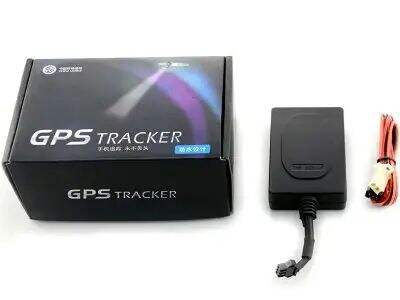
Understanding the Applications of GPS Tracking in Various Industries
GPS tracking technology finds applications across numerous industries, each with unique requirements:
-
Logistics and Transportation: In this sector, GPS tracking is vital for monitoring fleet movements, optimizing delivery routes, and ensuring timely arrivals. Real-time tracking helps logistics companies respond swiftly to delays or reroutes.
-
Construction: Construction sites often involve heavy machinery that requires monitoring for both efficiency and safety. GPS tracking can prevent theft and ensure that equipment is used effectively.
-
Public Transport: Transit authorities utilize GPS tracking to improve service reliability. Real-time tracking allows for accurate arrival times, enhancing the passenger experience and operational efficiency.
-
Asset Management: Companies that manage valuable assets, such as shipping containers or high-value equipment, rely on GPS tracking to monitor location and prevent loss or theft.
Understanding the diverse applications of GPS tracking can help buyers tailor their solutions to fit specific industry needs, ensuring greater reliability and efficiency.
By considering the outlined factors related to reliability, specifications, supplier selection, common challenges, and industry applications, B2B buyers can make informed decisions when investing in GPS tracking equipment for their vehicles.
Table of Contents
- How to Choose Reliable GPS Tracking Solutions for Your Vehicles
- Key Specifications for High-Quality GPS Tracking Devices in Industry
- Where to Wholesale GPS Tracking Equipment for Bulk Orders
- Common Problems with GPS Tracking and Effective Solutions
- Understanding the Applications of GPS Tracking in Various Industries