
 EN
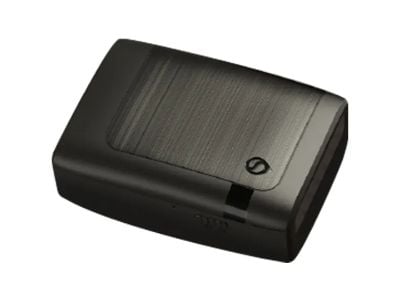
Dash cam technology has become an invaluable asset for modern transportation, particularly in commercial fleet management. Understanding how dash cam front and rear supports driver behavior analysis is crucial for fleet operators looking to enhance safety, reduce liability, and encourage responsible driving. This article delves into the various aspects of dash cam systems, helping B2B buyers evaluate options, understand installation processes, and consider cost factors while focusing on practical applications for driver behavior monitoring.
Wholesale Sourcing Options for Dash Cam Solutions
When sourcing dash cam solutions, B2B buyers can explore various wholesale options tailored to fleet needs. This includes evaluating suppliers that offer both front and rear dash cam systems with features like high-definition recording, night vision, and GPS tracking.
Consider sourcing from manufacturers that provide customization options, allowing fleets to integrate specific features such as real-time alerts or cloud storage solutions. Buyers should also assess minimum order quantities (MOQs) and shipping capabilities to determine the best fit for their operational scale. Building a relationship with suppliers that have a proven track record in reliability and quality control will ensure access to advanced technology and responsive support.
Comparing Dash Cam Front and Rear for Fleet Management
Choosing between front and rear dash cams requires an understanding of their distinct advantages. Front dash cams capture crucial footage of the road, helping to document incidents such as collisions or sudden stops. This footage can be instrumental in resolving disputes over liability. Conversely, rear dash cams provide coverage of the rear view, which is essential for monitoring parking incidents and rear-end collisions.
For fleet management, a dual-camera system that includes both front and rear dash cams offers comprehensive coverage and is recommended for maximizing safety. This setup aids in driver behavior analysis by providing a complete picture of driving patterns, enabling fleet managers to identify areas for improvement.
Installation Guidelines for Optimal Dash Cam Performance
Proper installation of gps locator device is vital to ensure optimal performance and data accuracy. Buyers should consider installation options, which can range from professional installation services to DIY setups. For professional installations, ensure that the service provider has experience with the specific models being used.
When installing motorcycle tracker, key considerations include mounting locations to prevent obstruction of the driver's view and ensuring secure wiring to avoid damage during vehicle operation. It’s advisable to review the manufacturer’s installation guidelines, which often include recommendations on power sources and cable management to maintain a neat and safe setup. Testing the system post-installation is also crucial to verify that both cameras are functioning correctly and capturing high-quality footage.
Cost Factors to Consider When Purchasing Dash Cams
The cost of dash cams can vary significantly based on features, quality, and supplier. Key factors influencing price include:
Camera Quality: Higher resolution cameras with advanced features like night vision and wide-angle views typically cost more.
Storage Solutions: Systems that offer cloud storage or larger internal storage capacity may have higher upfront costs but provide greater long-term value through improved data management.
Integration Capabilities: Dash cams that integrate with fleet management systems or offer real-time analytics may come at a premium but can enhance operational efficiency.
Warranty and Support: Investing in a product with robust warranty and customer support options can mitigate future costs related to maintenance and repairs.
Buyers should evaluate their specific needs and consider the total cost of ownership, including installation and potential upgrades, when budgeting for dash cam systems.
Applications of Dash Cams in Driver Behavior Monitoring
Dash cams serve multiple applications in monitoring driver behavior, providing invaluable insights that can enhance safety and efficiency. By analyzing the collected footage, fleet managers can identify risky driving behaviors such as harsh braking, rapid acceleration, and distracted driving.
Furthermore, many modern dash cam systems come equipped with AI-driven analytics that can automatically flag incidents for review, streamlining the monitoring process. This data can be utilized for training purposes, offering drivers constructive feedback to improve their driving habits.
Additionally, dash cams can support compliance with safety regulations by providing verifiable records of driving behavior during inspections. This not only helps in reducing liability but also fosters a culture of safety within the fleet, as drivers become more aware of their actions on the road.
understanding how gps tracking system front and rear supports driver behavior analysis is essential for B2B buyers in the transportation sector. By evaluating wholesale sourcing options, comparing system features, adhering to installation guidelines, considering cost implications, and recognizing the applications for driver monitoring, fleet operators can make informed decisions that enhance safety and operational efficiency.