
 EN
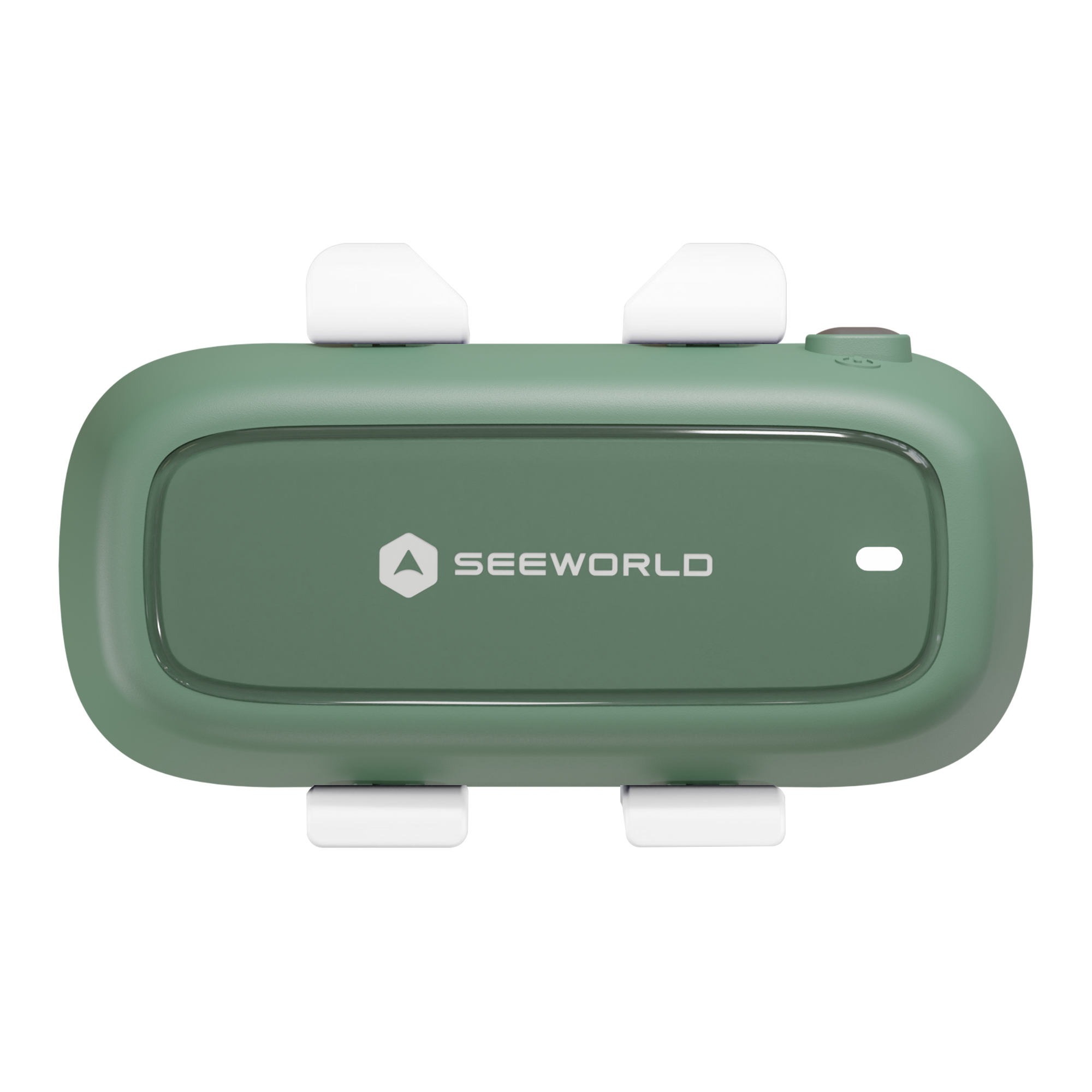
The pet locator device is an innovative tool designed to improve outdoor pet control by providing real-time tracking and monitoring capabilities. For businesses in the pet care sector, such as pet supply retailers or service providers, understanding how pet locator devices enhance pet management is crucial. This article will explore key considerations for selecting the right device, key specifications, quality evaluation for wholesale purchases, installation guidance, and sourcing reliable suppliers. Each section aims to equip purchasing managers and business owners with the knowledge needed to make informed decisions about integrating pet locator device into their offerings.
Choosing the Right Pet Locator Device for Your Business Needs
When selecting a pet locator device, businesses must identify their specific requirements. Considerations include the size and breed of pets, the desired range of tracking, and the integration of features such as geofencing, activity monitoring, and real-time alerts. For example, a device intended for larger breeds may require a more durable construction and a longer battery life, while smaller breeds may benefit from lightweight, compact devices that are easier to attach to collars.
Additionally, evaluate the connectivity options. Many modern pet locator devices leverage IoT technology, providing seamless integration with mobile applications and cloud services. This allows for real-time data analysis and efficient management of multiple pets. Specific scenarios, such as tracking pets in urban environments versus rural areas, can also dictate the type of device needed. Businesses should consider whether they need features like 5G connectivity or GPS accuracy that can adapt to varied landscapes.
Key Specifications for Effective Pet Locator Devices Explained
Understanding the key specifications of pet locator devices is critical for ensuring they meet business needs. Important specifications include battery life, range, durability, and connectivity type.
Battery Life: A longer battery life is essential for continuous monitoring, especially for outdoor use. The pet gps locator devices with rechargeable batteries may be more convenient, but they should also have a power-saving mode to extend usage between charges.
Tracking Range: Assess the effective tracking range of the device. Some devices may offer a few hundred meters, while advanced models can track pets over several miles, especially when utilizing cellular networks.
Durability: Devices should be water-resistant and shockproof, ensuring they can withstand outdoor conditions. Look for IP ratings to confirm the device's resistance to water and dust.
Connectivity: Choose devices that support multiple connectivity options, such as GPS, Wi-Fi, and cellular networks. This versatility allows for better tracking accuracy and reliability, especially in areas with poor signal strength.
Integration Capabilities: Evaluate how easily the device can integrate with existing systems, such as pet management software or mobile applications. This is crucial for businesses looking to provide comprehensive services.
Understanding these specifications helps businesses choose devices that align with their operational requirements and customer expectations.
Evaluating the Quality of Pet Locator Devices for Wholesale Purchase
Quality evaluation is a critical step before making a wholesale purchase of pet locator devices. Businesses should consider several factors to ensure they are investing in reliable technology.
Material Quality: Examine the materials used in the device construction. High-quality plastics and metals can enhance durability, while poor-quality materials may lead to device failure in challenging environments.
Manufacturer Reputation: Research the reputation of the manufacturer. Look for companies with a proven track record in IoT and pet technology. Customer reviews and case studies can provide insights into product performance and reliability.
Certifications and Compliance: Verify any relevant certifications, such as CE or FCC compliance, which indicate adherence to safety and quality standards. This is particularly important for devices that will be used frequently and may require regulatory approval.
Warranty and Support: Assess the warranty offered by the manufacturer. A robust warranty indicates confidence in the product's quality. Additionally, consider the level of customer support available for troubleshooting and maintenance.
Sample Testing: Before committing to a large order, request samples for testing. This allows businesses to evaluate the device's performance in real-world conditions and identify any potential issues before mass production.
Installation Guidance for Optimal Use of Pet Locator Devices
Proper installation is key to maximizing the effectiveness of pet locator devices. Businesses should provide clear instructions for users to ensure correct setup and optimal performance.
Choosing the Right Location: The device should be securely attached to the pet's collar in a location that minimizes the risk of it getting caught or lost. Clear guidance on collar compatibility and adjustments can enhance user experience.
User Training: Educate the end-users on how to operate the device effectively, including how to use the mobile app for monitoring. This training can minimize troubleshooting calls and enhance customer satisfaction.
Regular Maintenance: Encourage users to check the device frequently for any signs of wear or damage. Regular battery checks and updates to the app will help ensure continuous operation.
Environmental Considerations: Provide information on how environmental factors, such as extreme temperatures or water exposure, may affect the device's performance. This advice helps users understand the limitations and care requirements of their devices.
By offering comprehensive installation guidance, businesses can improve user confidence and device effectiveness.
Where to Find Reliable Suppliers for Pet Locator Devices in Bulk?
Finding reliable suppliers is essential for businesses looking to purchase pet locator devices in bulk. Here are some strategies for identifying trustworthy sources:
Industry Trade Shows: Attend trade shows focused on pet technology and IoT. These events provide opportunities to meet suppliers face-to-face, examine products, and establish direct relationships.
Online Marketplaces: Platforms like Alibaba or ThomasNet can help businesses discover manufacturers and suppliers. Look for those with high ratings and positive feedback from previous customers.
Networking within the Industry: Leverage industry associations and networks to get recommendations for reputable suppliers. Engaging with peers can provide insights into which suppliers are reliable and offer quality products.
Requesting Samples and Quotes: When approaching suppliers, always request samples and detailed quotations. This allows for a better understanding of the product quality and pricing structures.
Assessing Supplier Capabilities: Ensure that suppliers can meet your specific needs, such as customization options, minimum order quantities (MOQ), and lead times. This is crucial for maintaining inventory levels and meeting customer demand.
By following these steps, businesses can find reliable suppliers that align with their operational needs and quality standards.
Table of Contents
- Choosing the Right Pet Locator Device for Your Business Needs
- Key Specifications for Effective Pet Locator Devices Explained
- Evaluating the Quality of Pet Locator Devices for Wholesale Purchase
- Installation Guidance for Optimal Use of Pet Locator Devices
- Where to Find Reliable Suppliers for Pet Locator Devices in Bulk?