
 EN
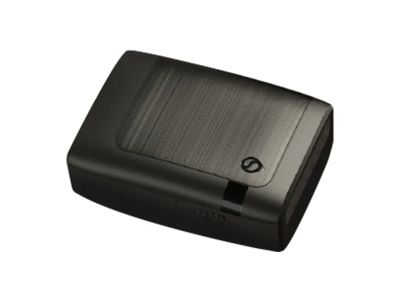
GPS tracking equipment for vehicles plays a critical role in risk reduction for businesses that rely on fleet management. By leveraging real-time data, companies can enhance safety, monitor vehicle performance, and prevent loss due to theft or accidents. We will explore how GPS tracking equipment can mitigate risks, guide you in selecting the right technology for your fleet, and provide essential specifications to consider during your purchasing decision. Understanding these factors can help you optimize your operations while ensuring the safety and security of your assets
Features for Risk Management
The key features of GPS tracking unit are designed to reduce risks associated with vehicle operation. Real-time tracking provides continuous visibility into vehicle locations, enabling fleet managers to respond promptly to emergencies or deviations from planned routes. This capability is crucial for minimizing the potential for theft or unauthorized use
Geofencing is another essential feature, allowing businesses to set virtual boundaries. If a vehicle exits these boundaries, alerts can be triggered, enabling swift action to mitigate risks. Additionally, many GPS systems offer detailed reporting features, which help identify patterns in driver behavior, such as speeding or harsh braking. These insights can be invaluable for implementing safety training and improving overall fleet performance
Furthermore, the integration of AI and edge computing into GPS tracking systems enhances their effectiveness. For example, advanced analytics can predict potential maintenance issues based on real-time data, allowing businesses to conduct preventative maintenance and avoid costly breakdowns
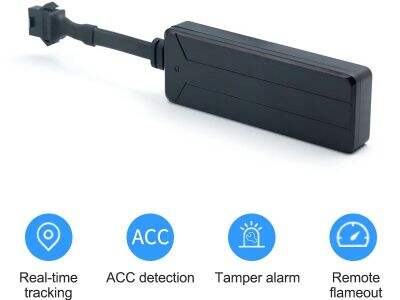
Choosing the Right GPS Tracking Equipment for Your Fleet Needs
When selecting GPS tracking equipment, consider the specific needs of your fleet. Key factors to evaluate include the size of your fleet, the types of vehicles being tracked, and the level of detail required for monitoring. For instance, a small fleet may only need basic tracking features, while larger fleets might benefit from more advanced functionalities such as driver behavior analysis and fuel consumption monitoring
Compatibility with existing systems is also crucial. Ensure that the GPS tracking solution can integrate seamlessly with your fleet management software and other operational tools. This integration can enhance data sharing, streamline operations, and improve decision-making processes
Customization options are another important consideration. Depending on your industry and operational requirements, you may need specific features or configurations. Discussing these needs with potential suppliers can help you find a solution that best fits your operational goals
GPS Tracking Equipment for Vehicles
GPS tracking equipment typically comprises several components: the GPS hardware installed in the vehicle, a communication module for transmitting data, and a software platform for analysis and reporting. The hardware can vary in size and functionality, from basic auto tracking device to advanced telematics systems that monitor engine performance, fuel usage, and driver behavior
When evaluating specific products, consider factors such as installation ease, durability, and resistance to environmental conditions. For instance, if your fleet operates in harsh environments, selecting GPS units with robust housing and waterproof capabilities is essential
Moreover, assess the level of customer support and training provided by the supplier. A reliable manufacturer will offer adequate training for your team and ongoing technical support to ensure your system operates effectively
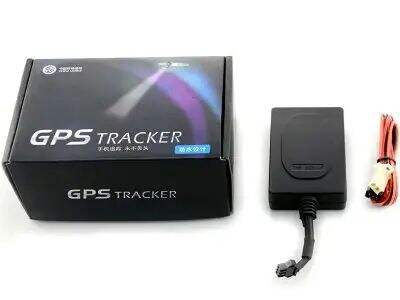
Evaluating the Quality of GPS Tracking Equipment for Vehicles
To ensure you are investing in high-quality GPS tracking equipment, consider the following evaluation criteria
Certifications: Verify that the equipment complies with industry standards and regulations. Look for certifications that indicate robust testing and quality assurance processes
User Reviews and Testimonials: Research user feedback and case studies to gauge the performance and reliability of the GPS tracking solution. Engaging with current users can provide insights into their experiences and any challenges they may have encountered
Warranty and Support: A solid warranty can be an indicator of product quality. Additionally, assess the level of customer support offered by the manufacturer, including availability of technical assistance and training
Field Testing: If possible, request a demonstration or trial period to evaluate the GPS tracking equipment in real-world conditions. This allows you to assess the functionality, ease of use, and integration with your existing systems
By considering these factors, you can make a more informed decision regarding the quality and suitability of GPS tracking system equipment for your fleet. Investing in reliable technology not only enhances operational efficiency but also significantly contributes to risk reduction in fleet management