
 EN
EN
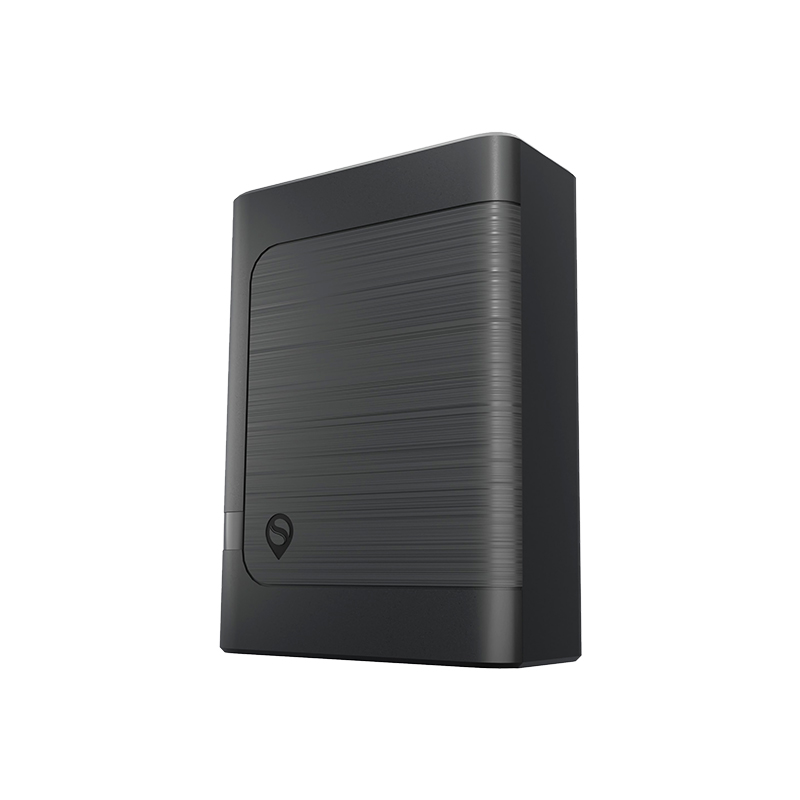
When it comes to implementing a portable tracking device for cars, ease of deployment is a crucial factor for businesses and organizations looking to optimize their logistics and vehicle management. The primary keyword, “What Makes Portable Tracking Device for Car Easy to Deploy,” highlights the essential attributes that simplify the installation and utilization of these devices. Buyers are often concerned with installation complexity, reliability, cost-effectiveness, and supplier trustworthiness. This article will provide a comprehensive overview of how to select and deploy portable tracking devices effectively, ensuring a smooth integration into your operations.
Installation Guidance for Easy Deployment of Tracking Devices
To ensure a straightforward installation process for portable tracking devices, several key factors should be considered. First, opt for devices that offer plug-and-play capabilities, which allow quick connection to the vehicle’s OBD-II port without requiring specialized tools or technical expertise. This feature significantly reduces installation time and minimizes the need for professional assistance. Next, consider devices that come with detailed installation guides and user-friendly interfaces. Well-documented instructions can help your team set up the device efficiently. Additionally, look for solutions that offer mobile applications or web platforms for real-time monitoring and data analysis. This increases usability and allows for immediate access to tracking information without complicated setup processes. Finally, assess the device's compatibility with various vehicle models. A versatile auto tracking device that works across multiple platforms will simplify inventory management and deployment, allowing for easier scaling of your tracking solution.
Where to Find Trusted Suppliers for Portable Tracking Devices?
Finding a reliable supplier for portable tracking devices is critical for ensuring quality and support. Start by researching manufacturers known for their expertise in IoT solutions, particularly those with a focus on vehicle tracking technologies. Look for suppliers who have experience in the automotive sector and can demonstrate a history of successful deployments. Industry trade shows and exhibitions are excellent venues for meeting suppliers face-to-face and evaluating their offerings firsthand. Additionally, online marketplaces and B2B platforms can provide access to a wide range of manufacturers, though it’s crucial to verify each supplier’s reputation through reviews and testimonials. Do not hesitate to request case studies or references from potential suppliers. This can provide insight into their past performance and the effectiveness of their car tracking system solutions. Establishing a relationship with a supplier who understands your specific needs can greatly enhance the deployment process and ensure ongoing support.
Cost Factors to Evaluate When Purchasing Tracking Devices in Bulk
When purchasing portable tracking devices in bulk, several cost factors should be evaluated to ensure a sound investment. First, consider the base price of the devices, but also factor in installation costs, which can vary significantly depending on the complexity of the device and the number of units being installed. Some suppliers may offer discounts for bulk purchases, so always inquire about pricing tiers based on quantity. Additionally, assess the total cost of ownership, which includes subscription fees for data services, maintenance costs, and potential upgrades. A device that appears inexpensive upfront may have high ongoing costs that can affect your budget over time. Another essential factor is the expected lifespan of the device. Investing in a higher-quality device with a longer operational life can reduce the frequency of replacements and overall costs in the long run. Finally, consider the potential for customization. Devices that can be tailored to your specific operational needs may incur additional costs but can provide better value through enhanced functionality.
Common Problems with Portable Tracking Devices and Their Solutions
Despite their benefits, portable tracking devices can encounter several common issues. One frequent problem is connectivity loss, which can occur due to poor signal coverage in certain areas. To mitigate this, ensure that the tracking device supports multiple communication protocols (e. g., 4G, 5G, and satellite) to maintain reliable connectivity across diverse environments. Another issue can arise from device malfunctions due to improper installation. To address this, provide thorough training for the installation team and ensure they have access to detailed guidelines. Implementing a pre-deployment testing phase can also help identify potential issues before the devices are fully deployed. Battery life is another concern, especially for devices utilizing external power sources. Opt for devices with efficient power management systems that can optimize battery usage. Additionally, consider devices that offer battery health monitoring features to alert users when maintenance is required.
Comparing Features of Leading Portable Tracking Devices for Buyers
When comparing portable tracking devices, several features should be prioritized to ensure you select the right solution for your needs. Start with GPS accuracy; devices with high-precision GPS capabilities are essential for accurate vehicle tracking. Check the frequency of location updates more frequent updates provide better data for real-time decision-making. Evaluate additional features such as geo fencing, which allows you to set virtual boundaries that trigger alerts when vehicles enter or exit designated areas. This can enhance fleet management by improving route planning and security. Data analytics capabilities are also critical. A device that offers comprehensive reporting and data visualization can help you analyze trends and improve operational efficiency. Lastly, ensure that the device provides strong security features, including encryption and anti-tampering mechanisms, to protect sensitive data from unauthorized access. In summary, selecting a portable gps tracking unit for cars requires careful consideration of installation ease, supplier reliability, cost factors, potential issues, and key features. By addressing these elements, businesses can effectively utilize portable tracking devices to enhance their vehicle management strategies.
Table of Contents
- Installation Guidance for Easy Deployment of Tracking Devices
- Where to Find Trusted Suppliers for Portable Tracking Devices?
- Cost Factors to Evaluate When Purchasing Tracking Devices in Bulk
- Common Problems with Portable Tracking Devices and Their Solutions
- Comparing Features of Leading Portable Tracking Devices for Buyers