
 EN
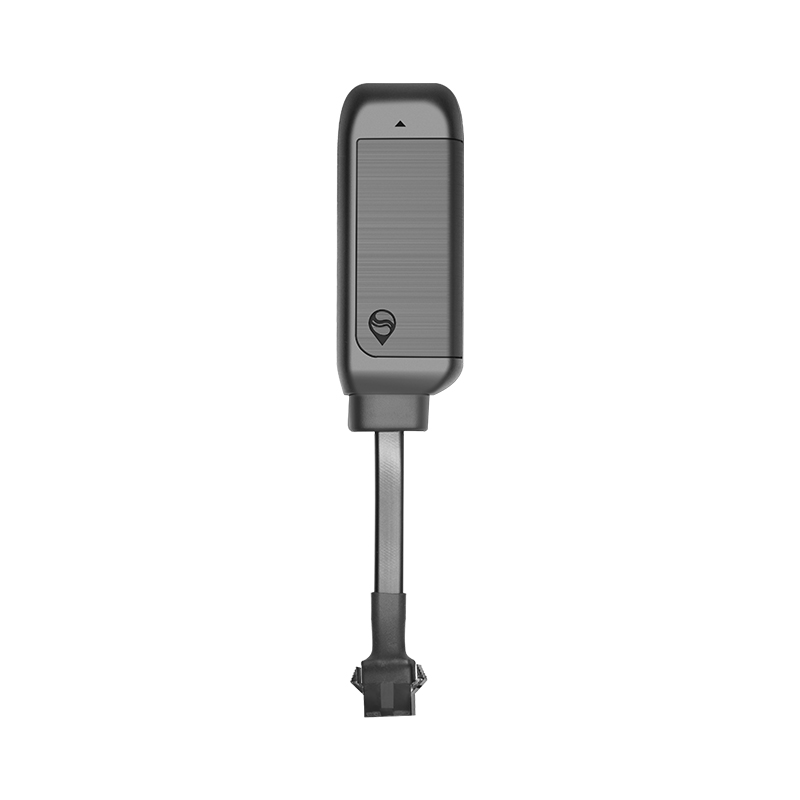
GPS vehicle tracking devices have become essential tools for businesses looking to minimize operational losses and enhance efficiency. By leveraging advanced technologies, these devices provide real-time data on vehicle locations, speeds, and routes, which can significantly reduce risks associated with fleet management. This article will explore how GPS vehicle tracking devices reduce operational loss risks, key specifications to consider when sourcing these devices, and the various applications they serve in the industrial and commercial sectors.
How GPS Vehicle Tracking Devices Mitigate Operational Loss Risks?
GPS vehicle tracking devices play a crucial role in mitigating operational loss risks by providing businesses with critical insights into their fleet operations. These devices allow for real-time monitoring of vehicle locations, enabling companies to optimize routes and reduce fuel consumption. By identifying inefficient routes or excessive idling, businesses can implement corrective measures that lead to cost savings and enhanced productivity. Moreover, GPS tracking devices can help prevent theft and unauthorized use of vehicles. By setting up fencing alerts, companies can receive notifications if a vehicle strays outside designated areas, allowing for immediate action. This gps vehicle tracking device capability not only protects assets but also ensures compliance with operational protocols. Additionally, the data collected can be analyzed to improve driver behavior, further reducing risks associated with accidents and damage to vehicles.
Key Specifications to Consider When Sourcing GPS Tracking Devices
When sourcing GPS vehicle tracking devices, several key specifications should be evaluated to ensure they meet operational needs:
Accuracy: The precision of the GPS signal is paramount. High-accuracy devices can provide real-time tracking with minimal lag, ensuring that fleet managers have the most current data.
Battery Life: Depending on the application, battery life can be a critical factor. Devices with extended battery life are particularly beneficial for long-haul vehicles or those that are not frequently charged.
Data Transmission: Consider how data is transmitted. Devices utilizing 5G technology offer faster data transfer rates and improved connectivity, which is essential for real-time monitoring and analytics.
Durability and Weather Resistance: Given that GPS devices are often exposed to harsh conditions, choosing devices that are weather-resistant and durable is vital for ensuring longevity and reliability.
Integration Capabilities: The ability to integrate with existing fleet management software and other IoT systems can enhance operational efficiency. Look for devices that offer APIs or support various data formats.
Customization Options: Some businesses may require specific features tailored to their operational needs. Evaluate suppliers on their ability to customize devices or software.
Evaluating Reliable GPS Vehicle Tracking Suppliers
Selecting a reliable GPS vehicle tracking supplier is critical to ensure the successful implementation of tracking systems. Here are key factors to consider during the evaluation process:
Reputation and Experience: Research the supplier's reputation within the industry. Look for testimonials, case studies, or references from other businesses in similar sectors. An experienced supplier is likely to have the knowledge necessary to address specific challenges.
Technical Support and Service: Ensure that the supplier offers robust technical support. This includes installation assistance, troubleshooting, and ongoing maintenance services. A supplier with a dedicated support team can significantly reduce downtime.
Scalability: Consider whether the supplier’s solutions can scale with your business. As your fleet grows, the tracking system should be able to adapt without substantial additional investments.
Compliance and Certifications: Verify that the supplier adheres to industry standards and regulations. Certifications can indicate reliability and commitment to quality.
Cost and Value: While pricing is an important factor, it should not be the sole consideration. Assess the overall value provided by the supplier, including features offered, customer support, and potential cost savings from improved fleet management.
Applications of GPS Vehicle Tracking in Reducing Operational Risks
The applications of GPS vehicle tracking devices in reducing operational risks are diverse and impact across various industries:
Fleet Management: Businesses can monitor vehicle health and performance indicators, allowing for proactive maintenance and reducing the risk of breakdowns.
Logistics and Supply Chain: Real-time tracking allows logistics companies to provide accurate delivery estimates, enhancing customer satisfaction and reducing penalties for late deliveries.
Emergency Response: In emergency services, knowing the precise location of vehicles can facilitate quicker response times, ultimately saving lives and resources.
Construction and Heavy Equipment: gps locator can monitor the location of construction equipment, prevent theft, and ensure that machinery is being used efficiently.
Public Transportation: Transit authorities can use GPS tracking to provide real-time updates to passengers, improving service transparency and reducing wait times.
By implementing GPS vehicle tracking systems, companies can not only minimize operational risks but also enhance overall operational efficiency.
Comparing GPS Vehicle Tracking Devices for Your Business Needs
When comparing GPS vehicle tracking devices, it is essential to assess how each option aligns with your specific business requirements. Here are some practical considerations:
Cost Structure: Understand the pricing model of different devices. Some may have a one-time purchase fee, while others operate on a subscription model. Evaluate which structure aligns with your budget and operational needs.
User Interface and Usability: The ease of use of the tracking software can significantly impact how effectively your team utilizes the system. Look for intuitive interfaces that require minimal training.
Reporting Capabilities: Assess the reporting features available with each device. Comprehensive reporting can provide insights into driver behavior, fuel efficiency, and maintenance needs, aiding in decision-making.
Geographic Coverage: Ensure that the devices provide adequate coverage in the regions where your fleet operates. Some devices may perform better in urban environments than in rural areas.
Trial Periods and Samples: Whenever possible, request trial periods or sample devices to test their performance in real-world conditions before committing to a large order.
By carefully evaluating these factors, businesses can select the fleet gps vehicle tracking devices that best fit their operational needs, ensuring enhanced efficiency and reduced risks associated with fleet management.
Table of Contents
- How GPS Vehicle Tracking Devices Mitigate Operational Loss Risks?
- Key Specifications to Consider When Sourcing GPS Tracking Devices
- Evaluating Reliable GPS Vehicle Tracking Suppliers
- Applications of GPS Vehicle Tracking in Reducing Operational Risks
- Comparing GPS Vehicle Tracking Devices for Your Business Needs